Topical Meeting on “Introduction of AI and Digital Twins Frameworks to Seek Comprehensive Nuclear Power and Fuel Cycle Solutions” Held
On October 15, 2026, a topical meeting entitled “Introduction of AI and Digital Twins Frameworks to Seek Comprehensive Nuclear Power and Fuel Cycle Solutions” was held at Tokyo City University Shibuya PXU (Shibuya PAXU). The event was jointly organized by the Nuclear Systems Laboratory, Department of Nuclear Safety Engineering, Faculty of Science and Engineering, Tokyo City University and the Research and Education Center for Atomic Sciences (RECAS), Ibaraki University.
The meeting was convened to discuss the potential application of AI and digital twin technologies to next-generation advanced reactors and nuclear fuel cycle facilities, while also strengthening collaboration among universities and research institutions in Japan and the United States. Approximately 30 participants from academia, research organizations, and industry attended the event.
The program featured invited lectures by Professor Anna Erickson of the Georgia Institute of Technology and Professor Pavel V. Tsvetkov of Texas A&M University under the theme “AI-enabled Sustainable Nuclear Lifecycle.” Their presentations highlighted the latest research on applying AI and digital twins to advanced reactor concepts, including fast reactors, high-temperature gas-cooled reactors, and molten salt reactors. Topics included fuel authentication, equipment monitoring, anomaly detection, and enhanced lifecycle management.
The meeting also included active discussions on the advancement of remote monitoring technologies and digitalization in nuclear facilities, AI-based data integration and analytical methodologies, and the importance of ensuring AI reliability and cybersecurity. Participants emphasized that, in the nuclear field, AI should not be used as a standalone decision-making tool; rather, a “Human-in-the-Loop” approach, in which human oversight and judgment remain integral to the decision-making process, is essential.
In the second session, Professor Kazuaki Iwasa of RECAS, Ibaraki University, introduced a new educational program centered on the theme of “Nuclear Science × Information Technology.” The program aims to cultivate human resources capable of integrating nuclear science and engineering with advanced information technologies, including digital twins and AI, to meet the needs of the next generation of the nuclear industry.
Subsequently, Dr. Kenichi Tada of the Japan Atomic Energy Agency (JAEA) presented the development status of JAMPAN, a multi-physics analysis platform for reactor simulations. By linking multiple computational codes, the platform enables highly accurate core analyses and is expected to contribute significantly to more efficient advanced reactor development.
During the panel discussion, participants exchanged views on the future development and operation of next-generation nuclear systems utilizing AI and digital twin technologies. Discussions also explored opportunities for Japan–U.S. collaboration in joint research, student exchanges, human resource development, and data sharing.
RECAS will continue to promote cutting-edge research and human resource development in the nuclear field through collaborations with universities and research institutions in Japan and abroad. The Center also remains committed to advancing innovative research and educational activities that leverage emerging information technologies such as AI and digital twins.
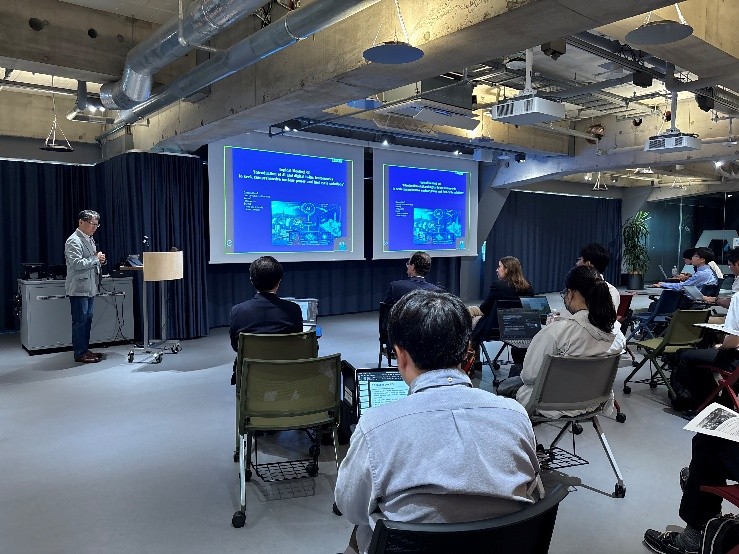
Opening Remarks and Introduction to the Purpose of the Meeting by Professor Naoyuki Takaki (Tokyo City University)
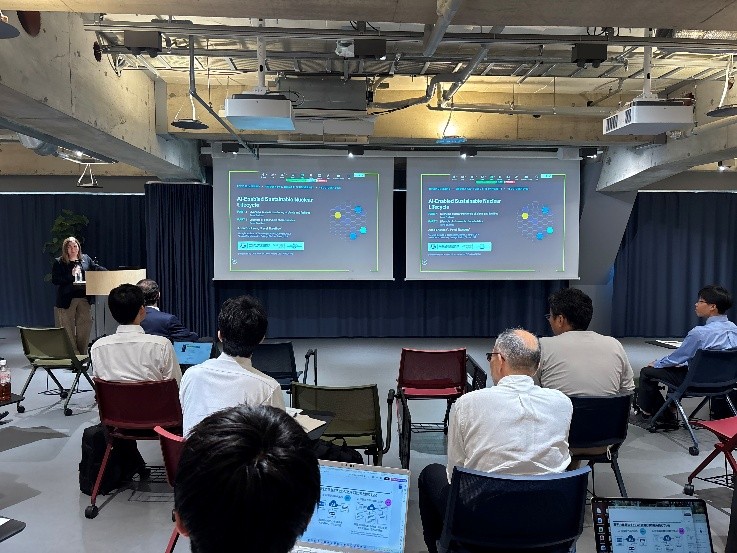
Professor Anna Erickson (Georgia Institute of Technology) Delivering a Lecture
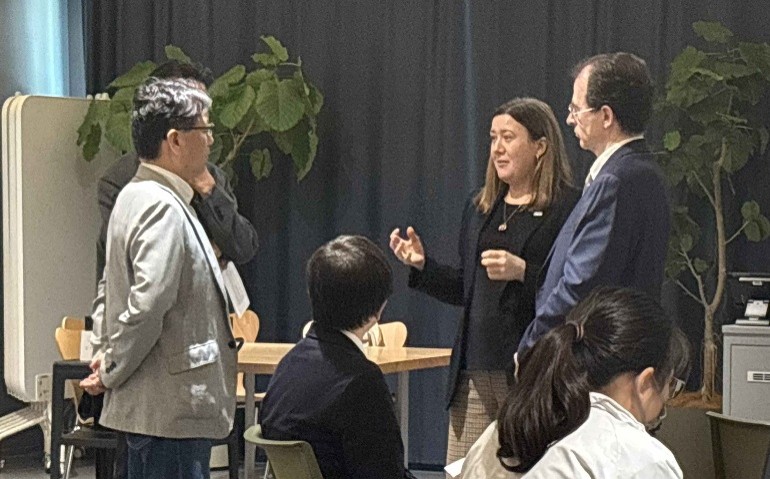
Participants engaged in a free discussion
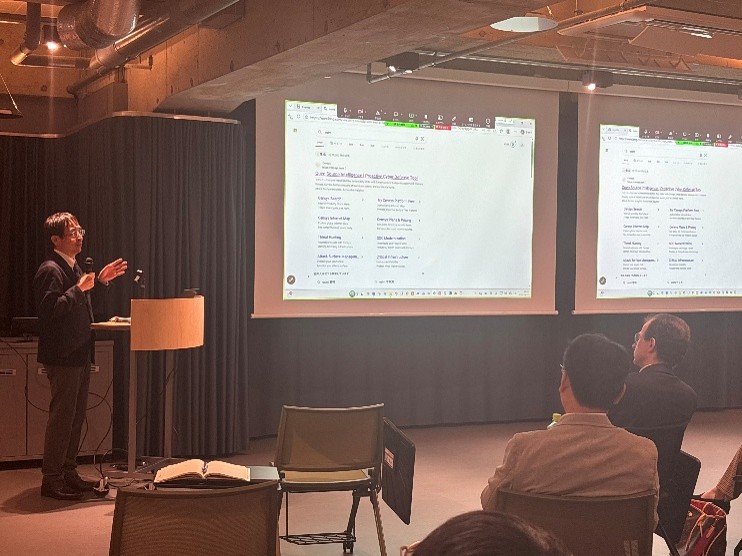
Professor Kazuaki Iwasa Introducing Ibaraki University's New Educational Program
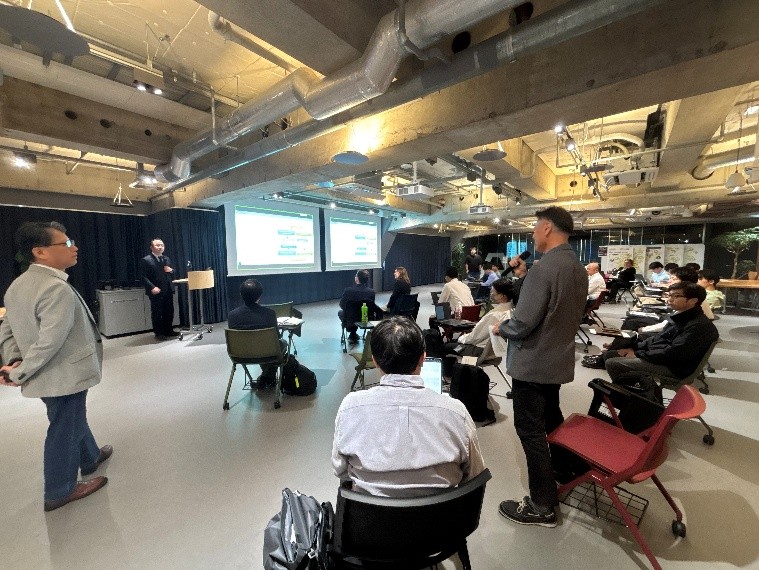
Discussion during Session
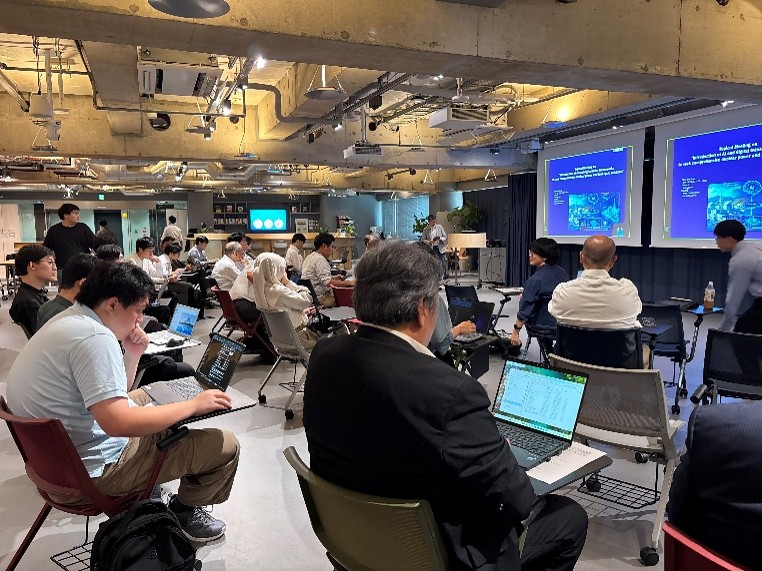
A Scene from the Venue