Sakura Science Program Activity Report
Hosting Seven Researchers and Graduate Students from IIT Madras to Promote International Exchange in Quantum Beam Science
Supported by the Sakura Science Program (Collaborative Research Activities Course) of the Japan Science and Technology Agency (JST), a research exchange program between Ibaraki University and the Indian Institute of Technology Madras (IIT Madras) was conducted from September 9 to 29, 2026, under the leadership of Professor Tomoki Maeda of the Applied Atomic Science Division.
A total of seven participants from IIT Madras, including researchers and graduate students, visited Ibaraki University. The group was accompanied by Professor Ethayaraja Mani, while Assistant Professor Suman Khushboo participated as one of the invited researchers. During their stay, the participants deepened their understanding of cutting-edge research in radiation and quantum beam science as well as Japan’s research environment, and engaged in academic exchanges aimed at fostering future international collaborative research.
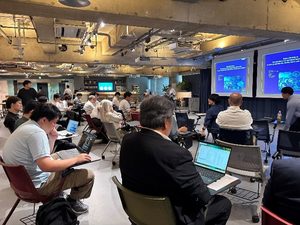
During the program, a series of lectures was held at the Tokai Satellite Campus, covering an overview of quantum beam science as well as topics including neutrons, small-angle neutron scattering (SANS), small-angle X-ray scattering (SAXS), synchrotron radiation, and electron microscopy. Participants also engaged in research activities and laboratory training using nanomaterials as model subjects, gaining hands-on experience with material characterization techniques utilizing quantum beams.
As part of the program, the participants visited J-PARC (Japan Proton Accelerator Research Complex), where they toured the Materials and Life Science Experimental Facility (MLF) and the neutrino experiment facilities. They also visited the Photon Factory at KEK (High Energy Accelerator Research Organization) and learned about cutting-edge synchrotron radiation research. These visits provided valuable opportunities to gain a deeper understanding of Japan’s world-leading research infrastructure and its contributions to scientific innovation and societal applications.
At the Mito Campus of Ibaraki University, the participants paid a courtesy visit to President Manabu Sagawa and met with Executive Director Kikuchi, Vice President Ikeda, and Special Advisor to the President Mori, engaging in discussions on research and international collaboration.
In addition, an exchange meeting was held at the Hitachi Campus with faculty members and students of the Carbon Recycling Energy Research Center (CRERC). The event facilitated active discussions on participants’ respective fields of expertise and research interests, providing a valuable opportunity to strengthen interdisciplinary connections within Ibaraki University and to explore potential avenues for future collaboration.
In the middle phase of the program, participants learned about advanced evaluation technologies utilizing research and development equipment at the Tochigi Prefectural Industrial Technology Center. In the latter half, they visited the Hotta Laboratory, Faculty of Science and Technology, Keio University, where they engaged in collaborative research on the stretching processing of nanomaterial-composite films and the evaluation of their gas barrier properties. Through experiments using unique research facilities and discussions with laboratory members, concrete possibilities for future joint research were explored.
The program also included visits to several science, technology, historical, and cultural institutions, including the National Museum of Emerging Science and Innovation (Miraikan), Mitsubishi Minatomirai Industrial Museum, Hitachi Origin Park, Kairakuen Garden, and the Edo-Tokyo Museum. These visits provided participants with valuable opportunities to deepen their understanding of Japanese science, technology, history, and culture. In addition to their research activities, participants gained multifaceted insights into Japanese society and cultural traditions.
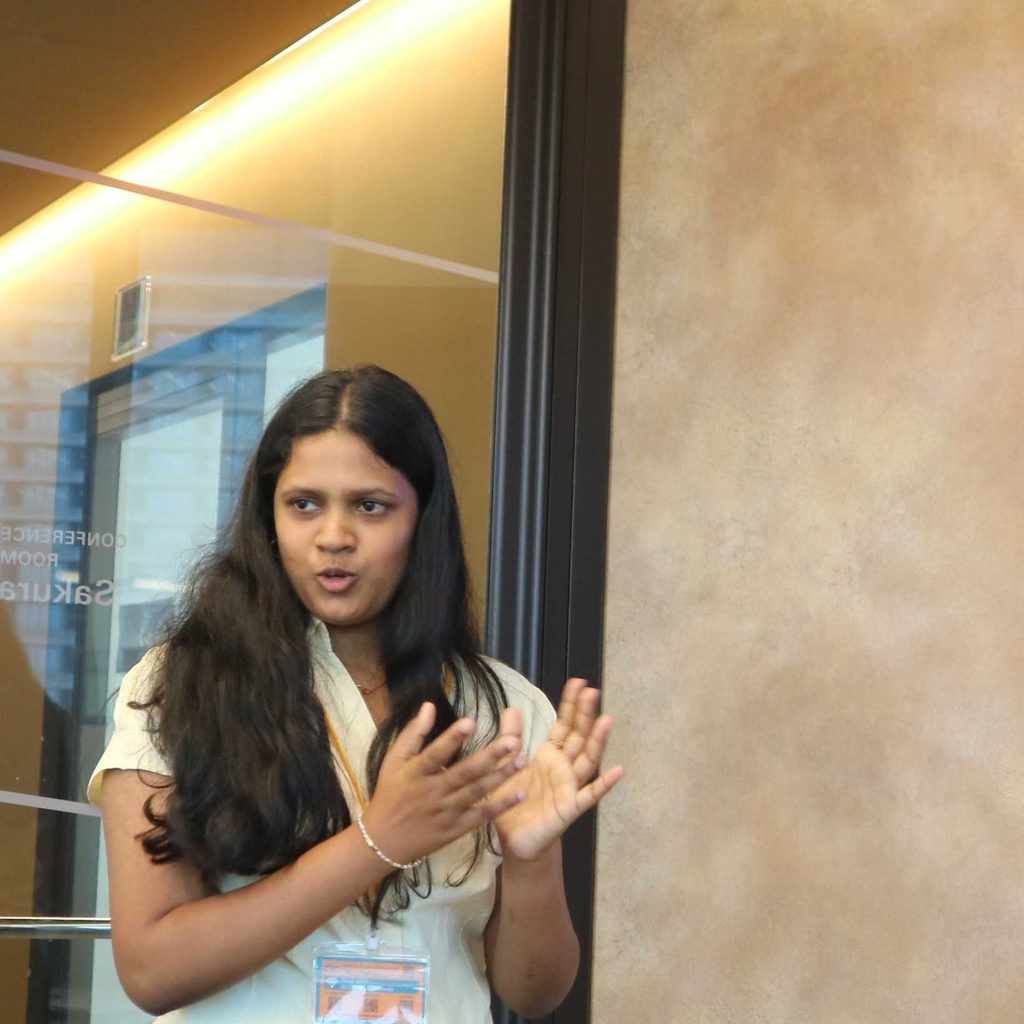
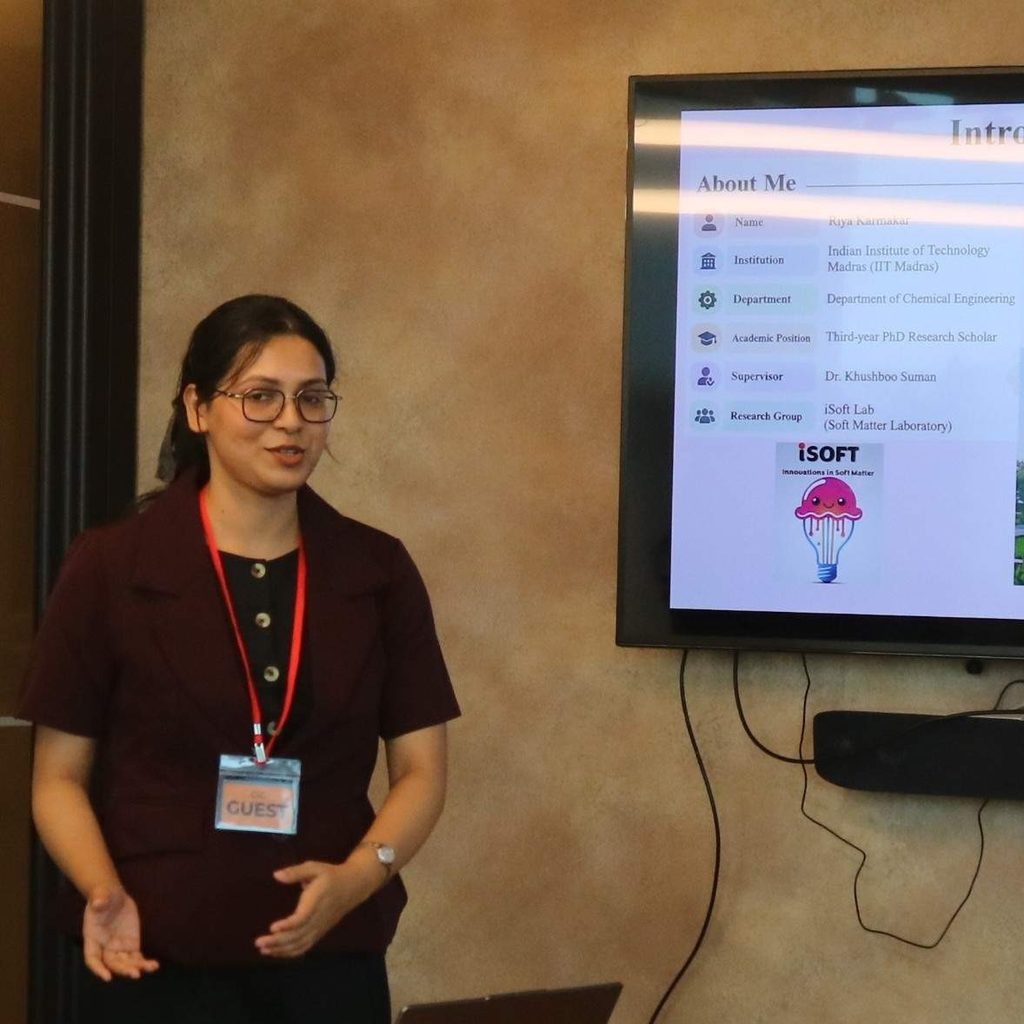
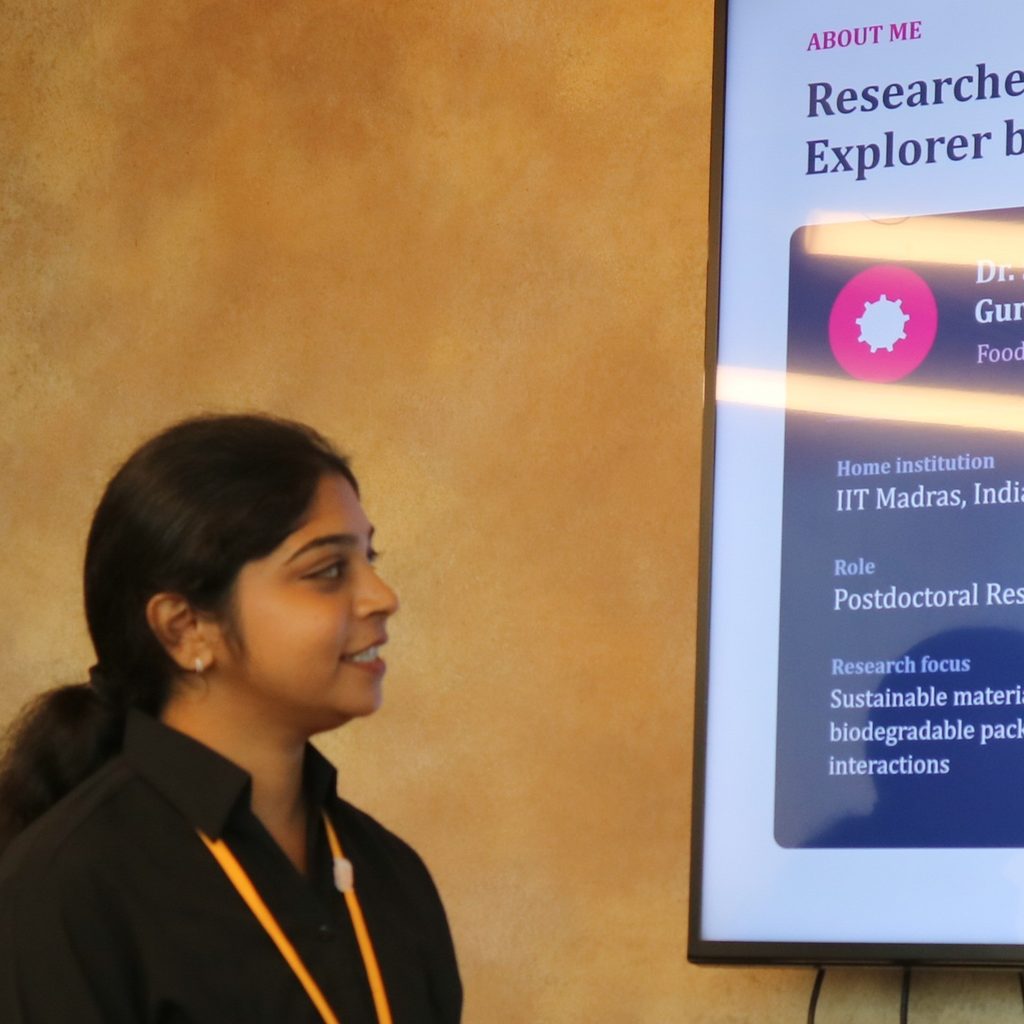
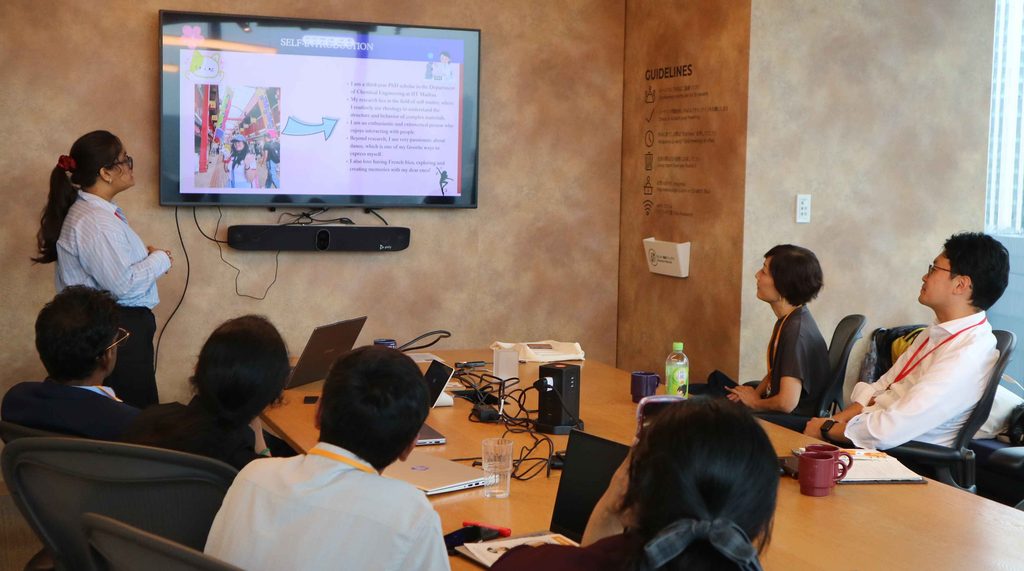
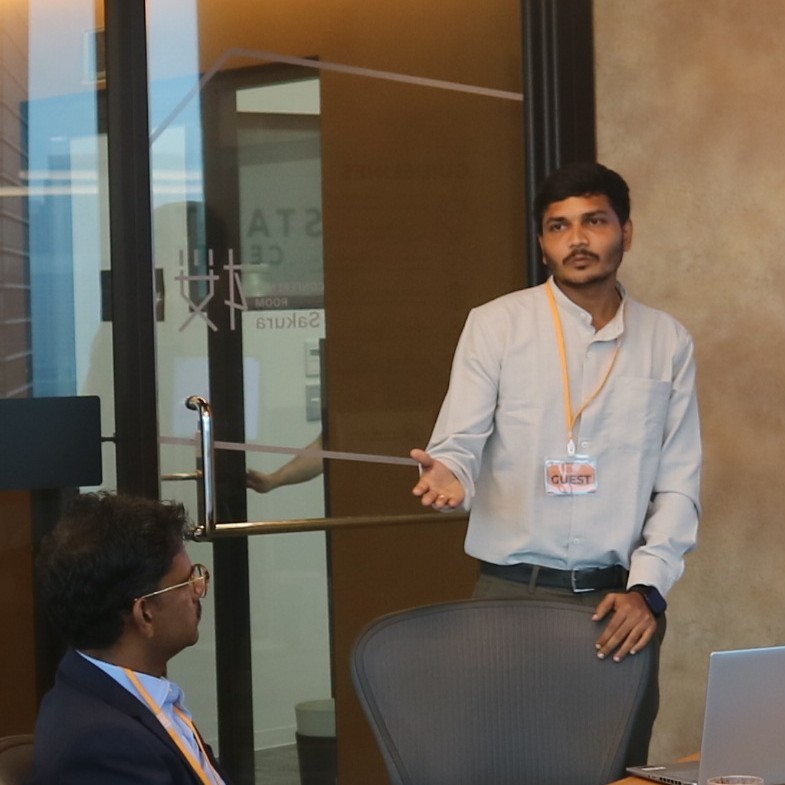
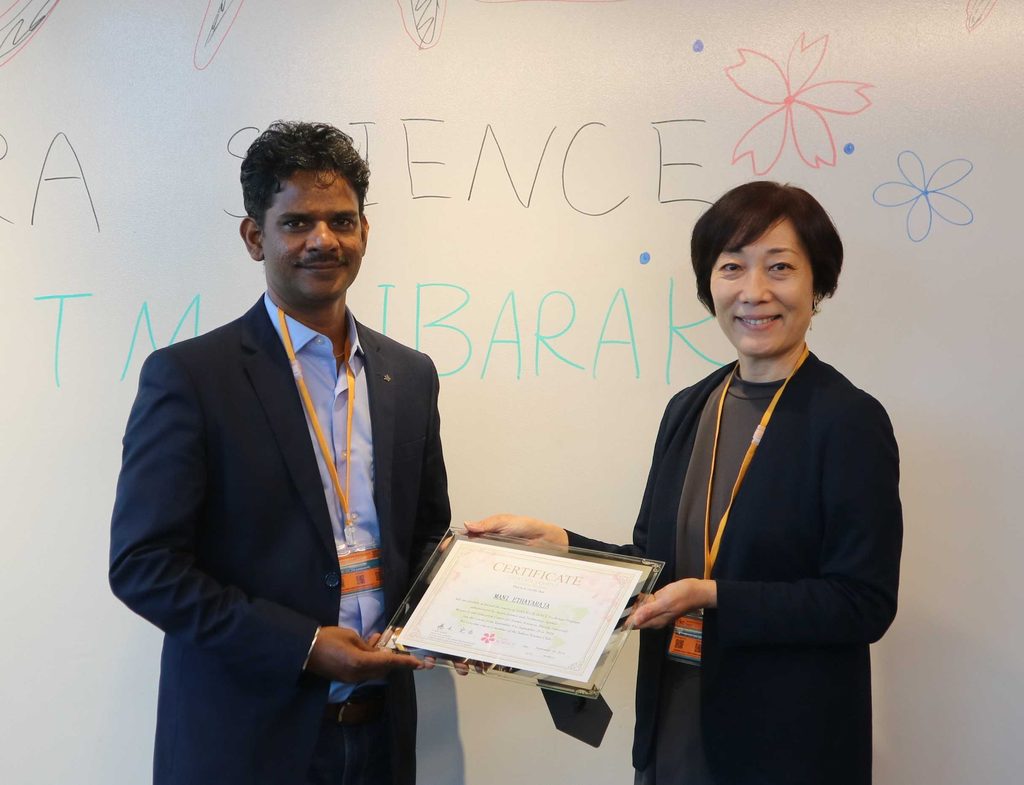
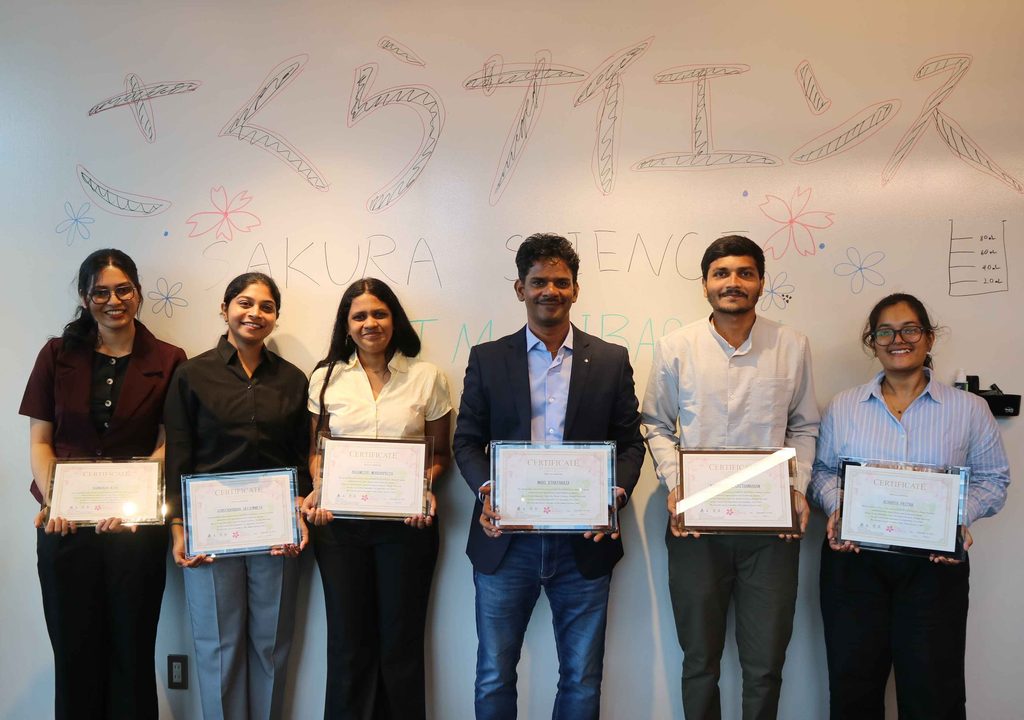
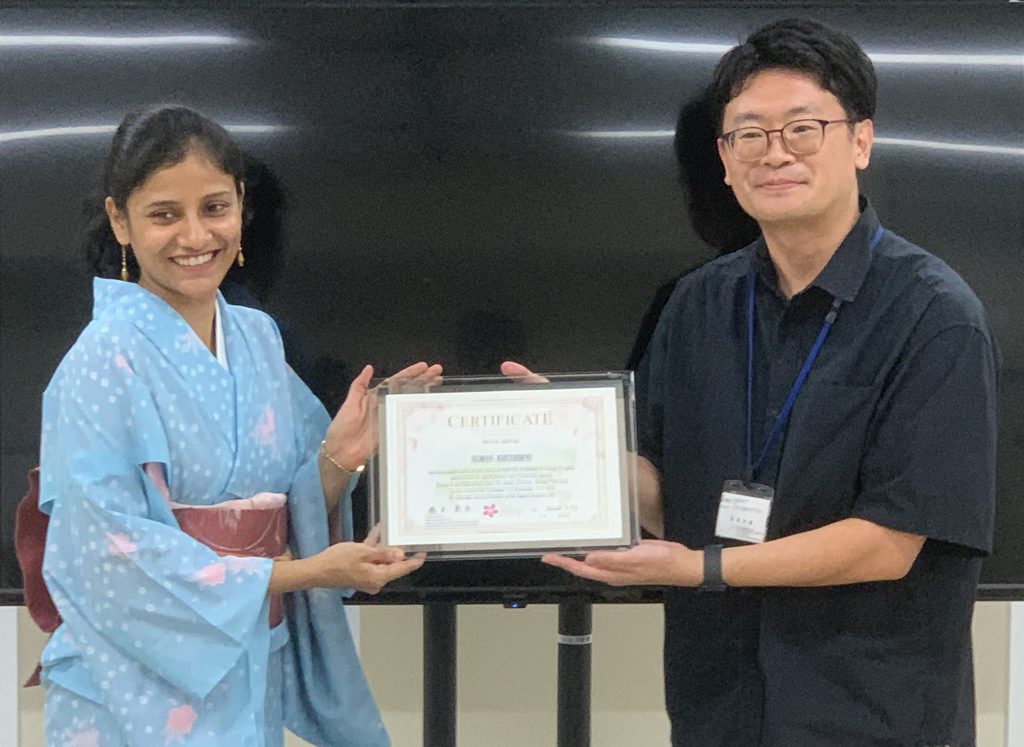
On the final day, a research presentation meeting and closing ceremony were held at the Ibaraki University Tokyo Satellite Office. Each participant presented the outcomes achieved during the program and discussed future research plans, followed by active question-and-answer sessions. Certificates of completion were then awarded, bringing the three-week international exchange program to a successful conclusion.
RECAS will continue to build upon the human network established through this program to promote international collaborative research in the fields of quantum beam science and advanced materials research, while also contributing to the cultivation of the next generation of researchers.
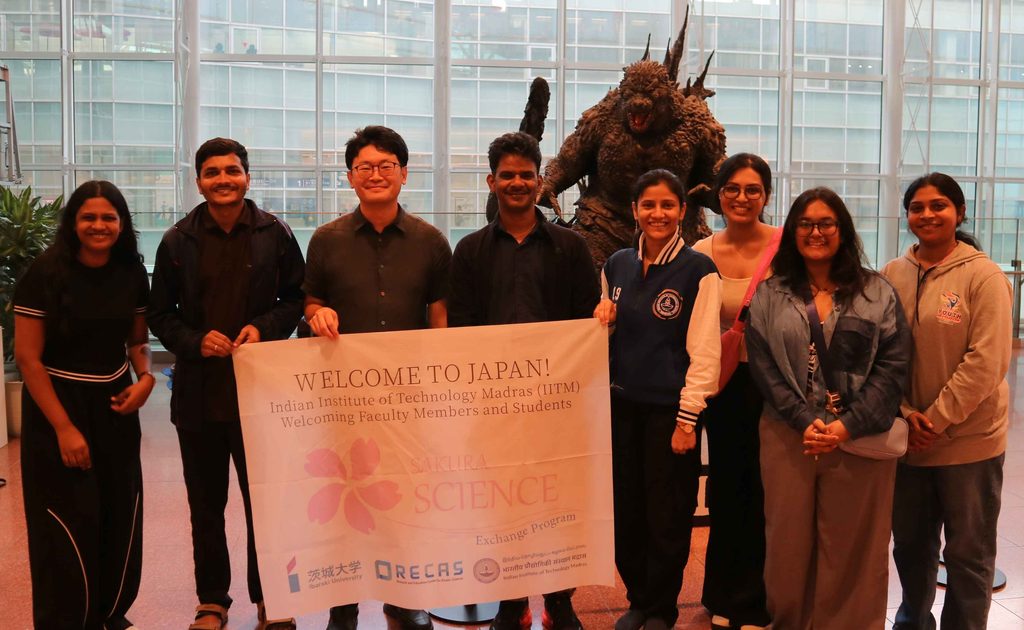
Arriving in Japan
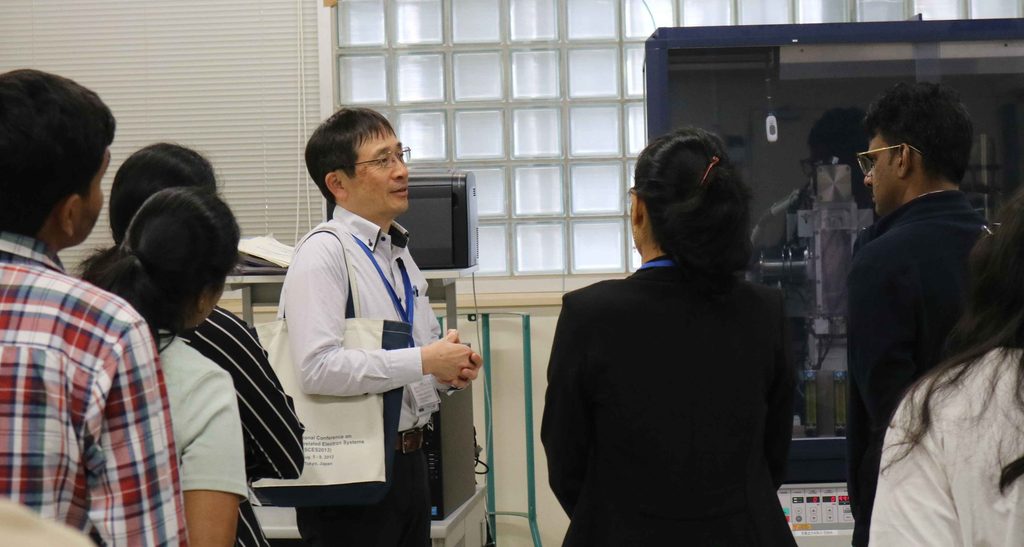
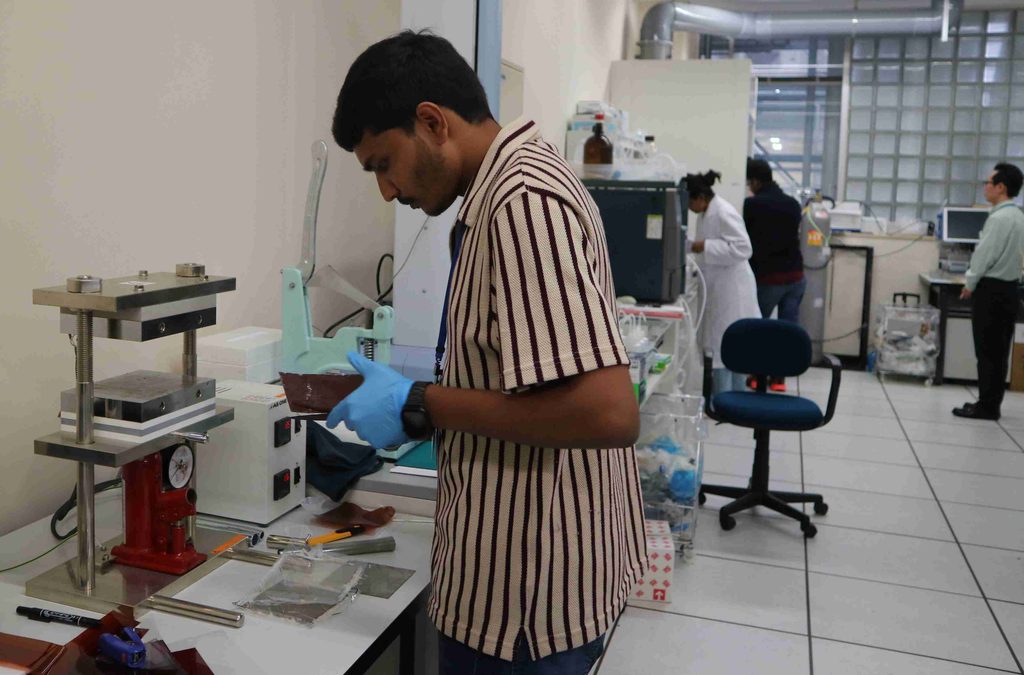
Orientation and Hands-on Training at RECAS
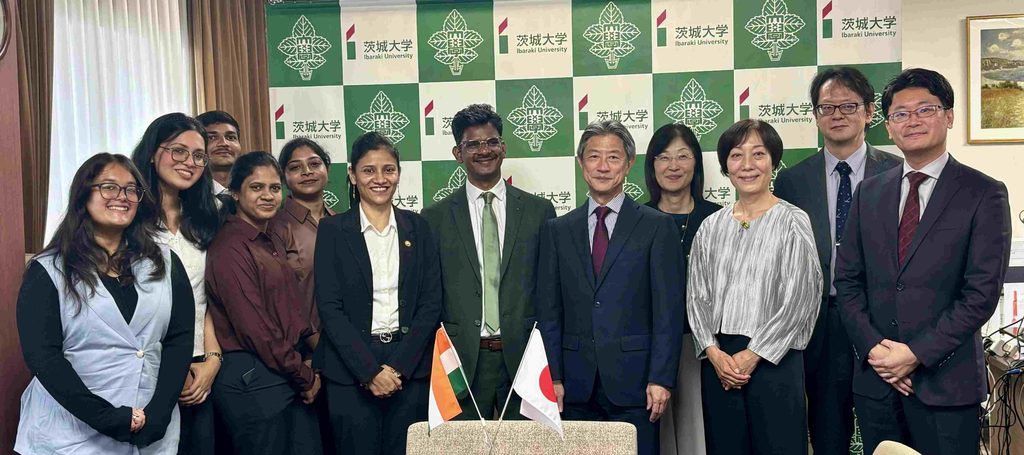
Courtesy Visit to the University President
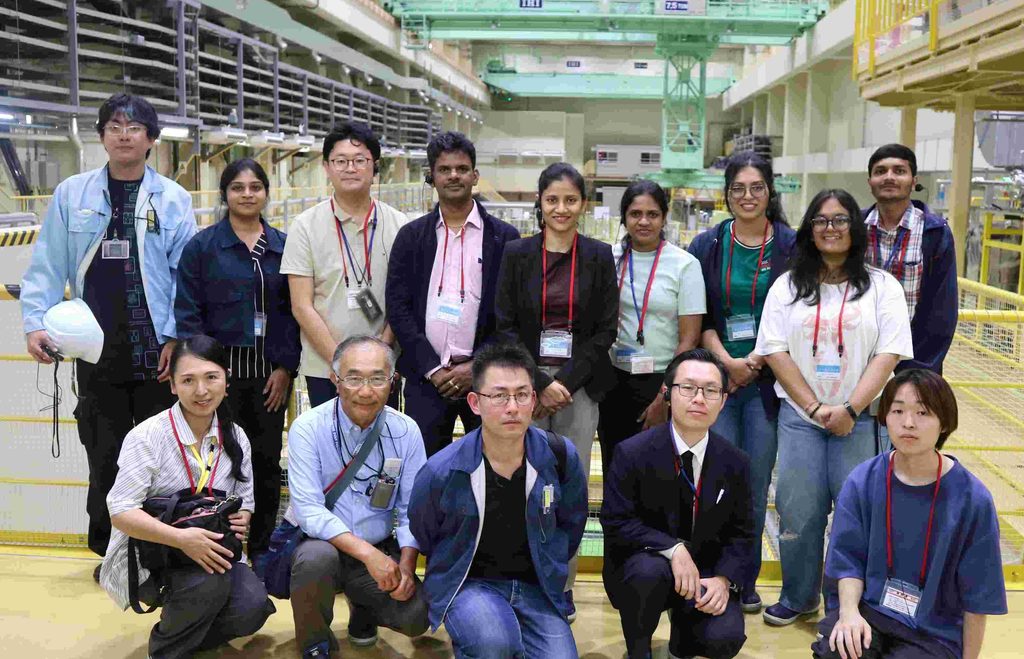
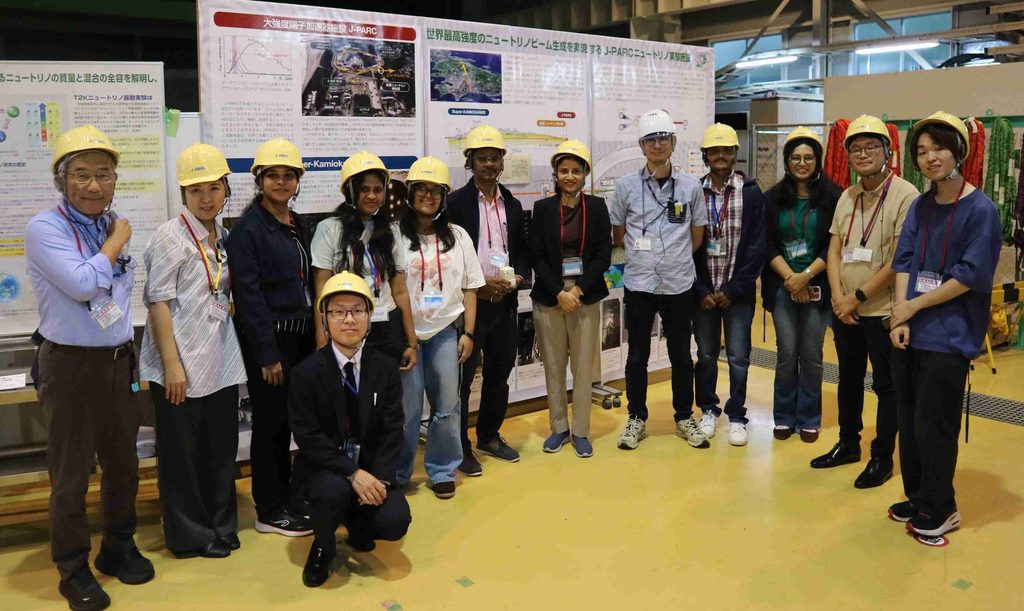
Site Visit to J-PARC
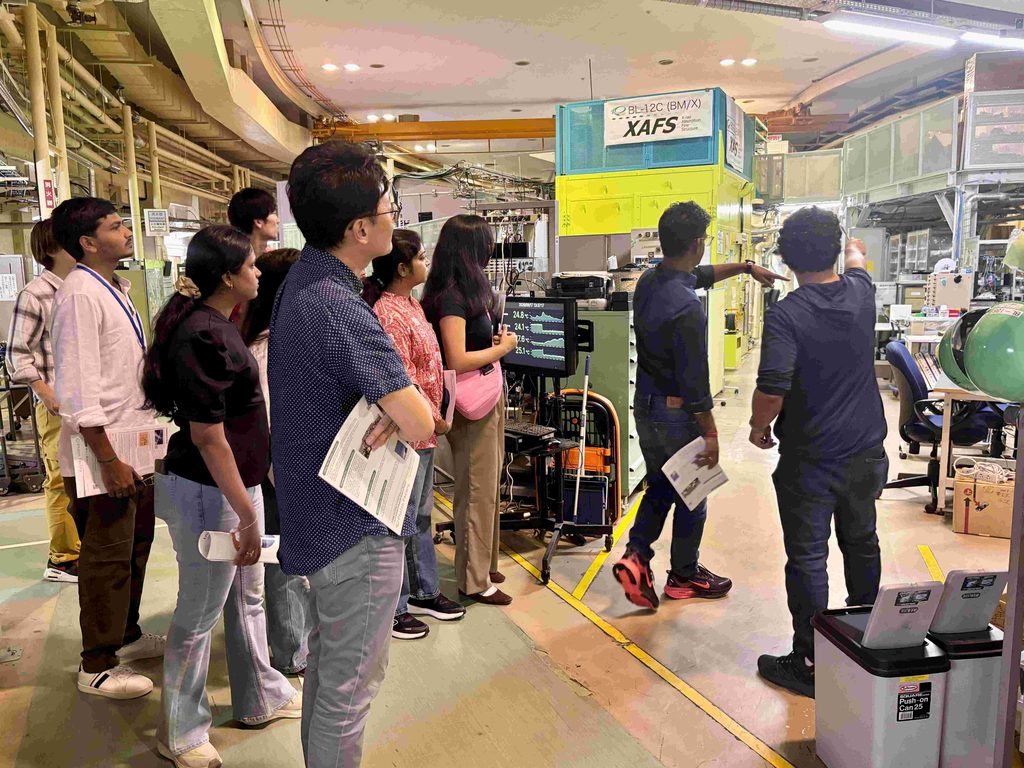
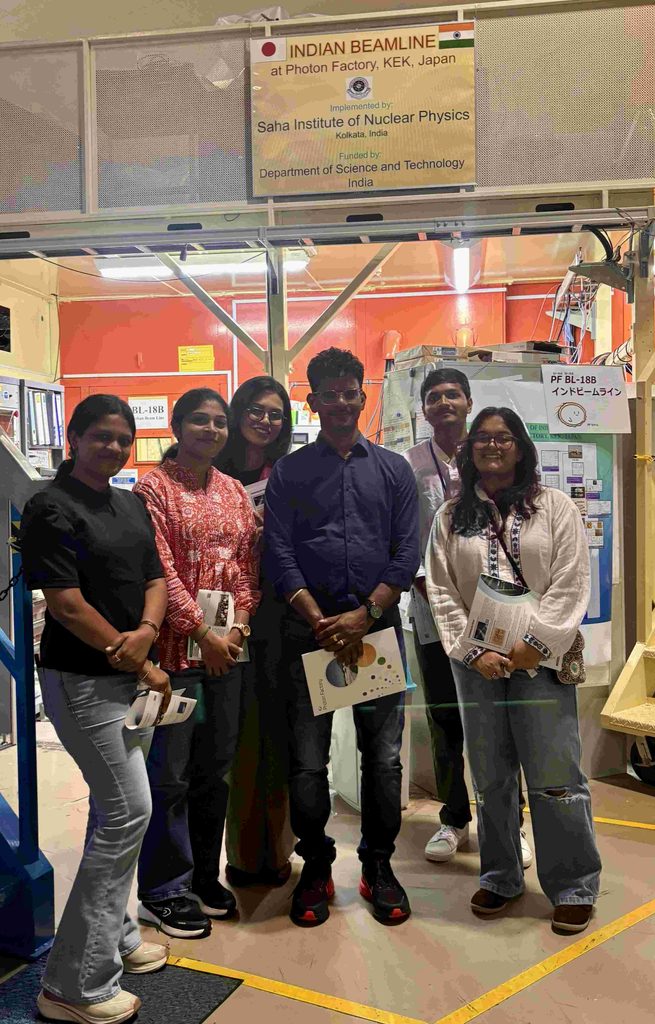
Site Visit to the KEK Photon Factory
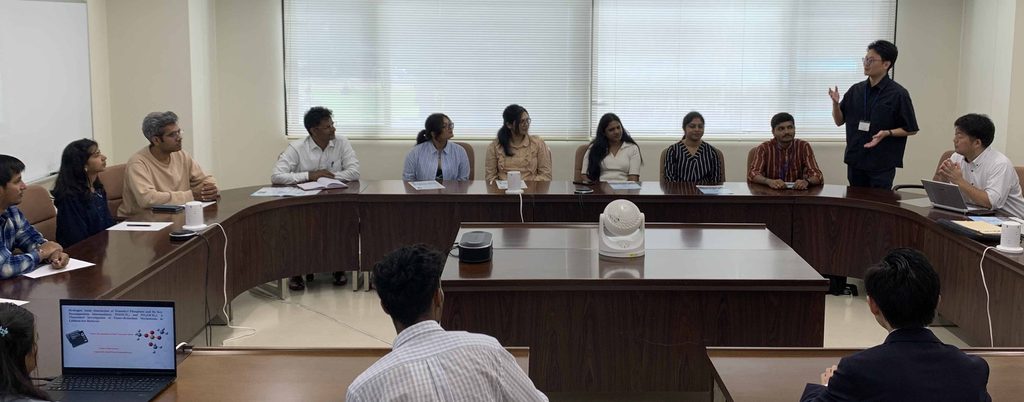
Academic Exchange at the Hitachi Campus
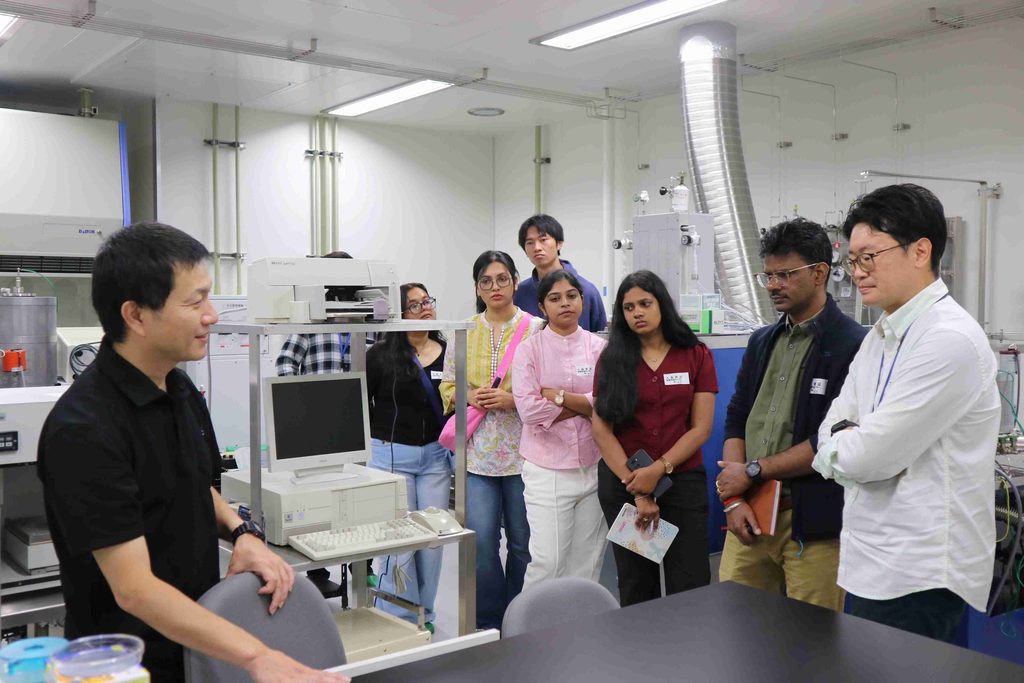
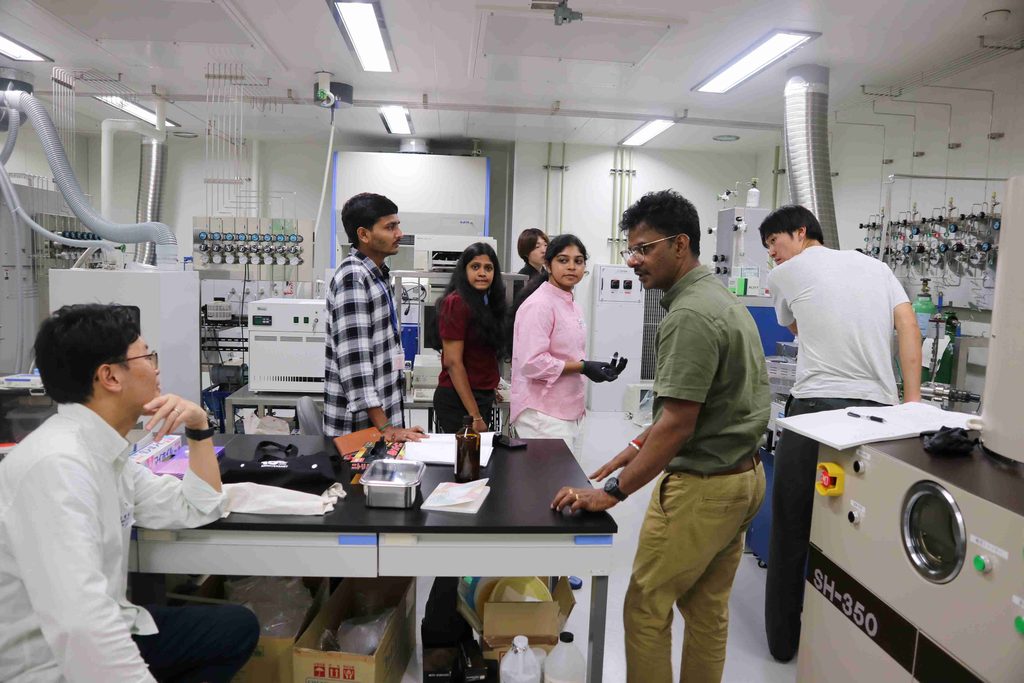
Hands-on Training at the Tochigi Prefectural Industrial Technology Center
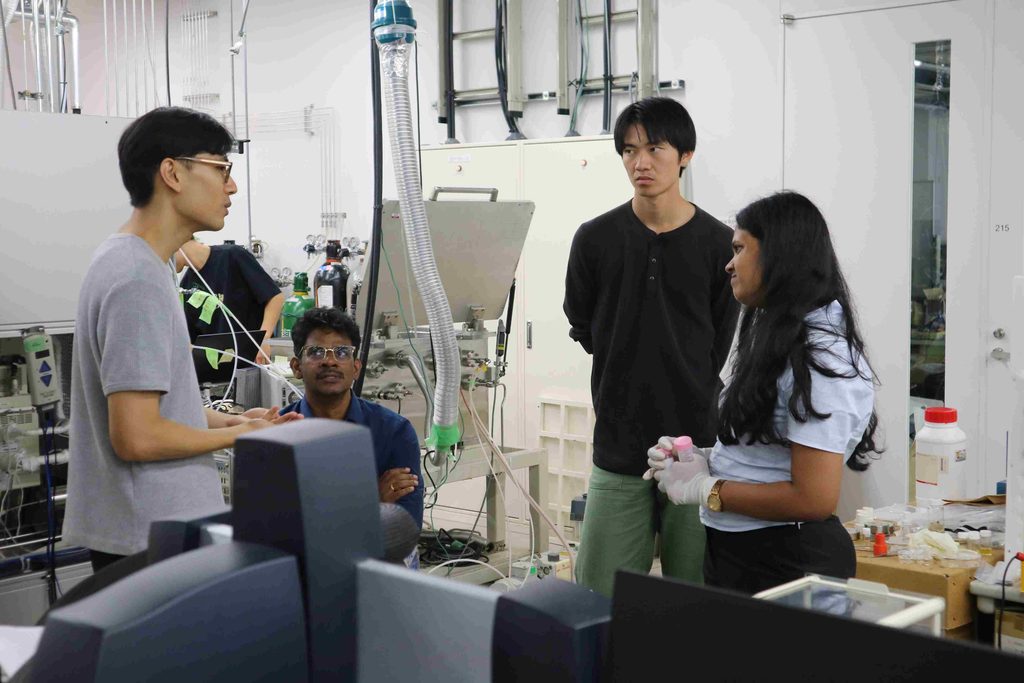
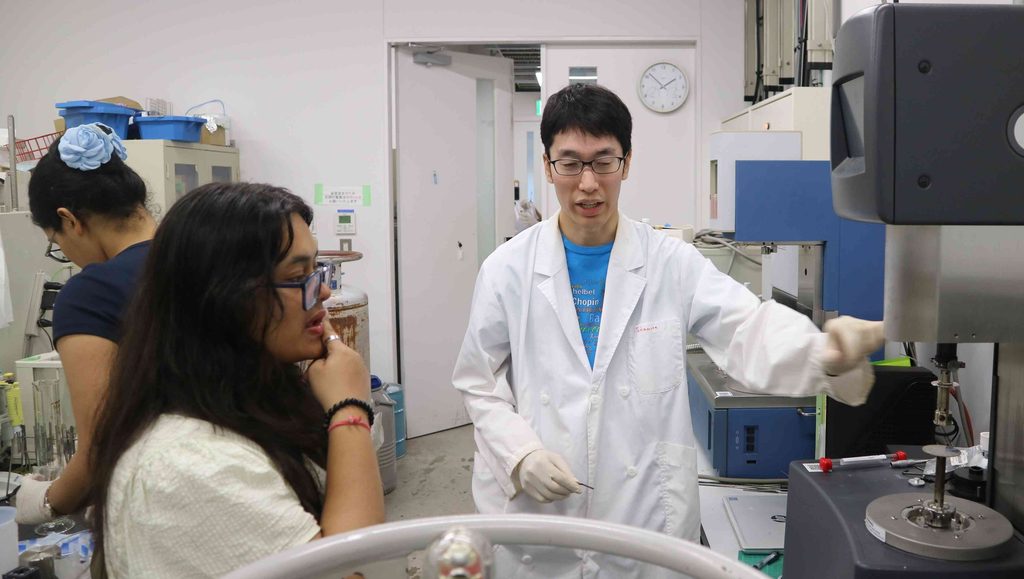
Hands-on Training at Prof. Hotta’s Laboratory, Keio University
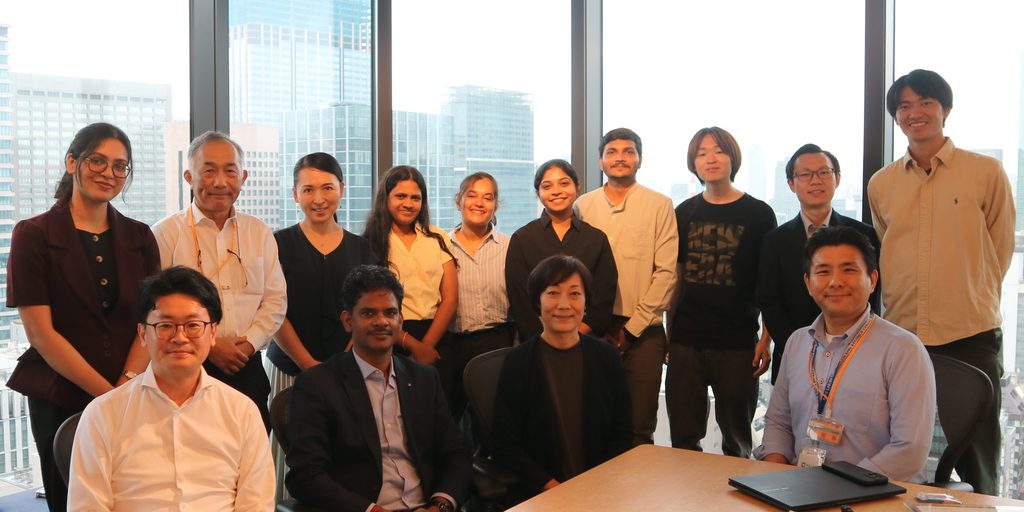
Research Activity Presentation and Certificate Award Ceremony